

Viewing a Rental at the End of Phuket's Rainy Season: 9 Things to Check
By Islander Home Team
Phuket's rainy season typically runs from May to October, with October usually among the wettest months. High season begins in November, when most people want to move in. That makes the next few weeks an ideal time to view rental properties: you can see exactly how a house holds up in the rain.
Here is what to look out for.
1. Stains on the ceiling
Check the ceiling in every room, especially beneath flat roofs, balconies above, or bathrooms on the floor above. Brown rings or bubbling paint can indicate water damage. Ask whether the problem has been fixed and when the repairs were carried out.
2. Mould and smell
Open the wardrobes and check behind the curtains and the bed. Black spots or a musty smell can indicate persistent damp. A dehumidifier and good airflow can help, but if a room smells of mould in October, the problem is likely to return every rainy season.
3. The drains on the soi
If possible, walk along the road outside after a heavy shower. Some low-lying sois flood for a few hours after a storm, which can be a problem if you drive to work or school. Ask the neighbours or security guard about local flooding. Some listings mention it directly; one pool villa near Laguna is advertised as being in a flood-free area.
4. Water around the doors and windows
Check the floor beneath sliding doors and the sills under windows. Swollen wooden frames, rust on aluminium tracks, or tide marks on the tiles can indicate where rainwater gets in during strong winds.
5. The garden and the slope
If the property is on a hillside in Rawai, Kata or Kathu, inspect the retaining walls and the ground above the house. Cracks or soil washing onto the driveway are worth asking about. On flat land, check whether the garden drains properly or tends to collect standing water.
6. Air-conditioner drains
Each air-conditioning unit has a pipe that carries water away. If water drips onto a terrace, a wall or a neighbour's garden, it can cause damp. Turn on each unit and check where the water drains.
7. The pool
A pool that overflows during heavy rain needs a functioning overflow drain. Ask who cleans the pool, how often it is cleaned, and whether the cost of chemicals after a storm is included in the rent.
8. Termites and insects
Termites often swarm after rain. Look for small piles of wings near lights and windows, or mud tunnels along walls and door frames. Ask whether the house has a termite treatment contract. Window screens also make a big difference in keeping mosquitoes out during the wet months.
9. Power and water
Storms can cause brief power cuts. Ask whether the house has a water pump and tank to keep the water running when mains pressure drops, and check that outdoor sockets and lights are properly covered.
Write it into the lease
Photograph anything you find and agree in writing, before paying the deposit, on who will fix it and by when. This also protects you at the end of the lease. Our lease checklist covers the rest.
Ready to start looking? Browse houses and villas for rent in Rawai, Chalong, Koh Kaew and Bang Tao.
Want someone to check a house for you? Contact K. Thanya and we will view the property with you and point out what to ask the owner.
More from the journal

Renting a Condo in Phuket: What Every Budget Gets You in 2026
We list 143 condos and apartments for rent at a median of ฿25,000 a month. Here is what ฿15,000, ฿20,000, ฿30,000 and ฿50,000 get you, and which areas give the most for the money.
Read article →
Phuket Condos Under ฿3 Million: What the Entry Price Buys in 2026
More than half of the condominiums we list for sale cost ฿3 million or less. Almost all are one-bedroom units of about 30 sq.m, most of them in Kathu, at a median of ฿2.2 million. What you get, and what to check as a foreign buyer.
Read article →
What ฿50,000 a Month Rents in Phuket in 2026
฿50,000 is the most common budget we hear for a family home in Phuket. At that price there are 77 homes on our list: mostly three-bedroom houses, and in Chalong about half come with a private pool.
Read article →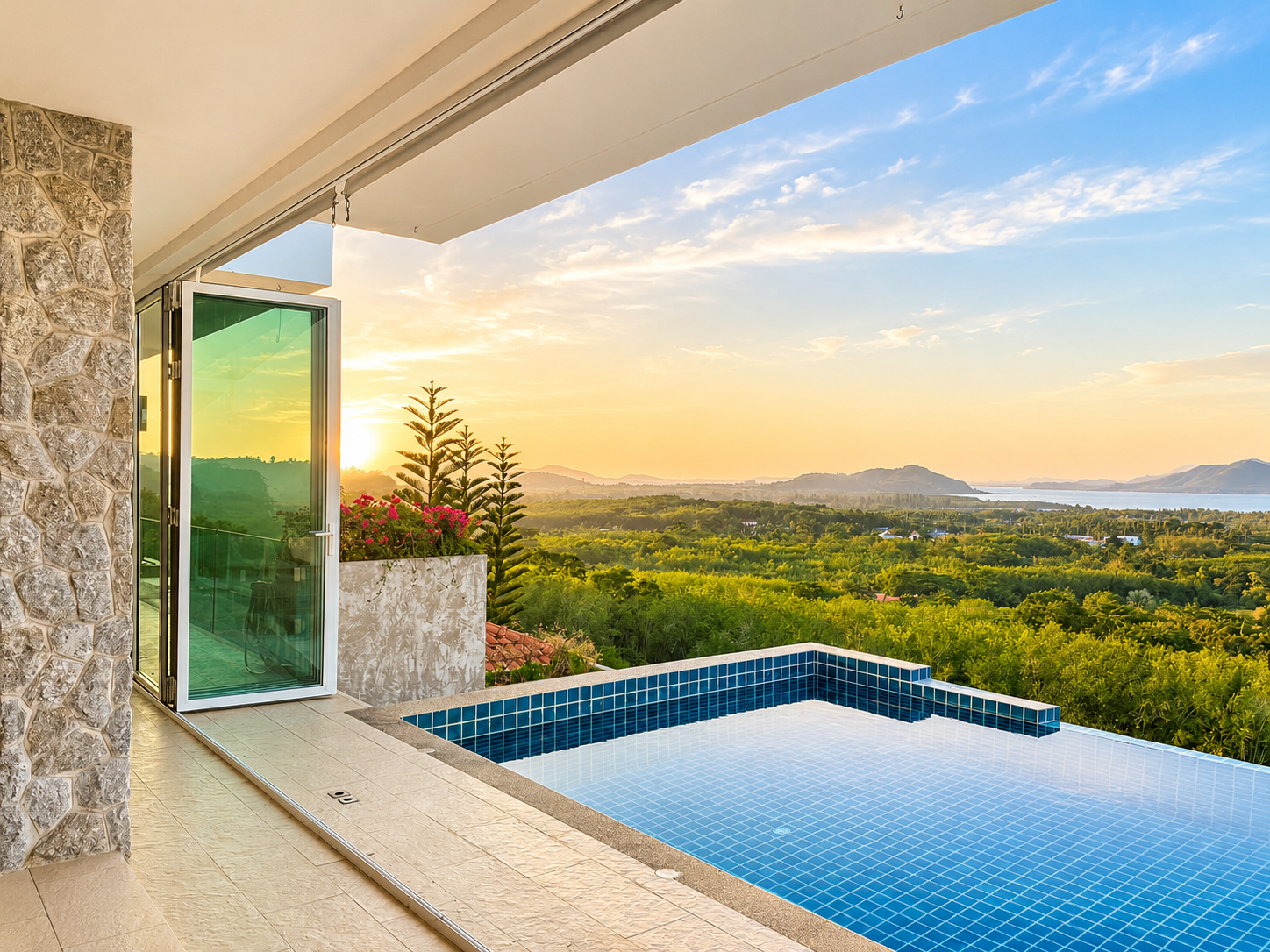
Let's talk
Ready to find your Phuket home?
Tell us what you're looking for and our advisors will curate a shortlist for you — usually within 24 hours.